The quiet repair shift: what good sleep actually does
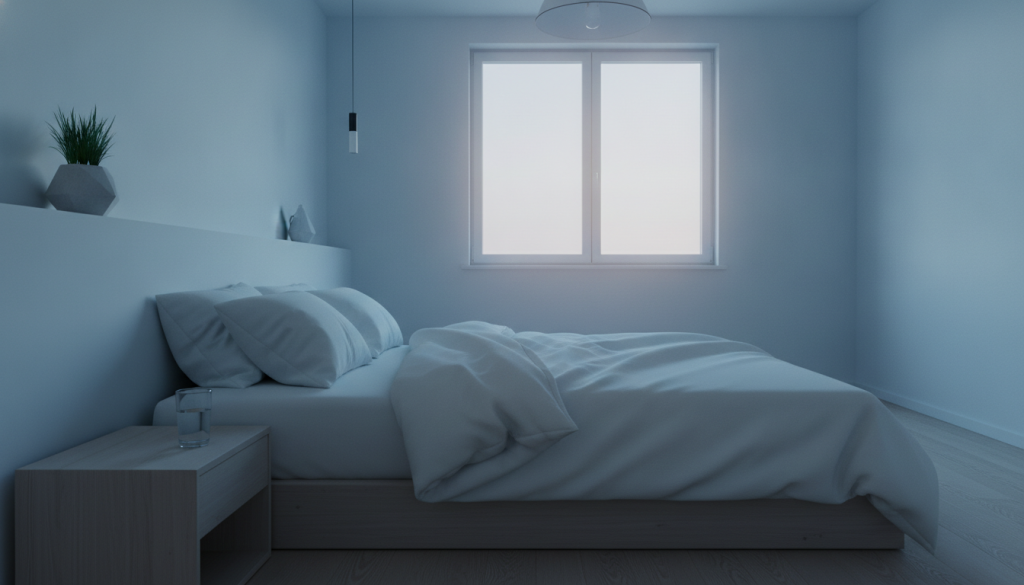
Every night, while you do nothing at all, your body runs its most important shift. Blood pressure eases. Growth hormone rises. The brain rinses itself of the day’s metabolic leftovers. Sleep is not the absence of activity — it is maintenance, scheduled nightly, free of charge.
Most adults need seven to nine hours. Not as a moral target, but as a biological budget. Run a deficit for a week and you will feel it in mood and appetite; run it for years and it shows up in blood pressure, blood sugar and memory.
What good sleep looks like
Falling asleep within about twenty minutes. Waking briefly at night — that is normal — but returning to sleep without a struggle. Rising at roughly the same time daily, weekends included. Feeling restored most mornings, not all of them.
Three quiet fixes before any pill
Light: daylight in the morning, dimness at night. Your body clock is set by your eyes.
Temperature: a cool room beats a heavy blanket ritual. Around 18–19°C suits most sleepers.
Rhythm: the same wake time anchors everything else. Protect it first, and bedtime follows.
Caffeine has a half-life of five to six hours — an afternoon espresso is still half-present at midnight. Alcohol makes you fall asleep faster and sleep worse; it is a sedative, not a sleep aid.
When to talk to us
Loud snoring with pauses, waking gasping, or crushing daytime sleepiness deserve a proper look — sleep apnea is common, serious and very treatable. The same goes for insomnia that has lasted more than three months. You do not have to earn help by exhausting yourself first.
Sleep is the one treatment every plan we write depends on. Guard the shift.
Leave a Reply