
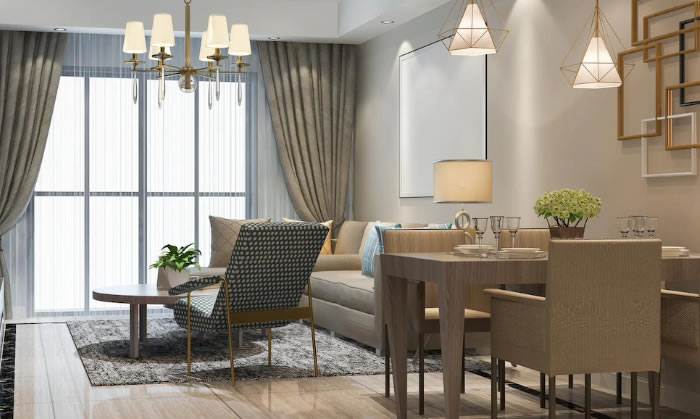
Modern interior design transforms ordinary rooms into extraordinary environments where form meets function in perfect harmony. Every carefully curated element speaks to a deeper understanding of how spaces influence our daily experiences, productivity, and emotional well-being. contemporary design philosophy embraces clean lines, purposeful minimalism, and innovative materials to create living and working environments that reflect the evolving needs of today’s discerning homeowners and businesses.
The Essential Principles of Modern Interior Design Excellence
Modern interior design distinguishes itself through a refined commitment to simplicity without sacrificing warmth or personality. This sophisticated approach prioritizes functional elegance, where every design decision serves both aesthetic and practical purposes. The foundation rests on open floor plans that encourage natural light flow, neutral color palettes punctuated by bold accent pieces, and furnishings that celebrate craftsmanship and quality.
Contemporary spaces showcase architectural honesty, revealing structural elements like exposed beams, concrete surfaces, and expansive glass installations. These raw materials juxtapose beautifully against softer textures—plush textiles, natural wood grains, and organic stone finishes—creating visual depth and tactile interest throughout the environment. The strategic use of negative space allows individual design elements to breathe, preventing visual clutter while maintaining an inviting atmosphere.
Sustainability has become integral to modern design philosophy. Forward-thinking projects incorporate eco-conscious materials, energy-efficient lighting systems, and biophilic design elements that reconnect inhabitants with nature. Living walls, statement plants, and natural ventilation strategies enhance air quality while contributing to the overall aesthetic narrative. Smart home integration seamlessly blends technology with design, offering intuitive control over lighting, climate, and entertainment systems without compromising visual coherence.
Color psychology plays a crucial role in modern interiors. Sophisticated palettes typically anchor around neutral foundations—crisp whites, warm grays, soft beiges—allowing flexibility for personalization through artwork, textiles, and decorative objects. Strategic color introductions through statement furniture pieces or feature walls create focal points that guide the eye and establish spatial hierarchy without overwhelming the senses.
Implementing Modern Design Across Residential and Commercial Projects
Successful modern interior design requires understanding the unique rhythm of each space and its occupants. Residential projects demand intimate knowledge of lifestyle patterns, entertaining preferences, and personal aesthetics. Custom spatial planning maximizes every square meter, incorporating built-in storage solutions that maintain clean sight lines while eliminating clutter. Multi-functional furniture pieces adapt to changing needs, ensuring spaces evolve alongside their inhabitants.
Commercial environments benefit from modern design’s emphasis on productivity and brand identity. Office spaces designed with contemporary principles boost employee satisfaction through abundant natural light, ergonomic workstations, and collaborative zones balanced with private focus areas. Hospitality venues leverage modern aesthetics to create memorable first impressions, using dramatic lighting installations, sculptural furniture, and curated art collections that tell compelling brand stories.
Material selection defines the tactile quality of modern spaces. Polished concrete floors provide industrial sophistication, while engineered hardwoods offer warmth and acoustic benefits. Glass partitions maintain openness while defining zones, and metal accents in brushed brass or matte black finishes add refined contrast. Textural layering through area rugs, window treatments, and upholstery prevents minimalist spaces from feeling stark or uninviting.
Lighting design serves as the invisible architecture within modern interiors. Layered lighting schemes combine ambient, task, and accent illumination to create atmospheric flexibility throughout the day. Recessed fixtures maintain ceiling clarity, while statement pendants and sculptural floor lamps double as artistic installations. Dimmable systems allow inhabitants to adjust mood and functionality effortlessly.
Transform Your Vision Into Reality
Modern interior design represents more than aesthetic preference—it embodies a lifestyle commitment to quality, functionality, and timeless sophistication. Transform your vision into an extraordinary space that elevates daily living and inspires for generations. Contact our design team today and start creating a bespoke architectural experience tailored to your unique aspirations and goals.
Join the Conversation